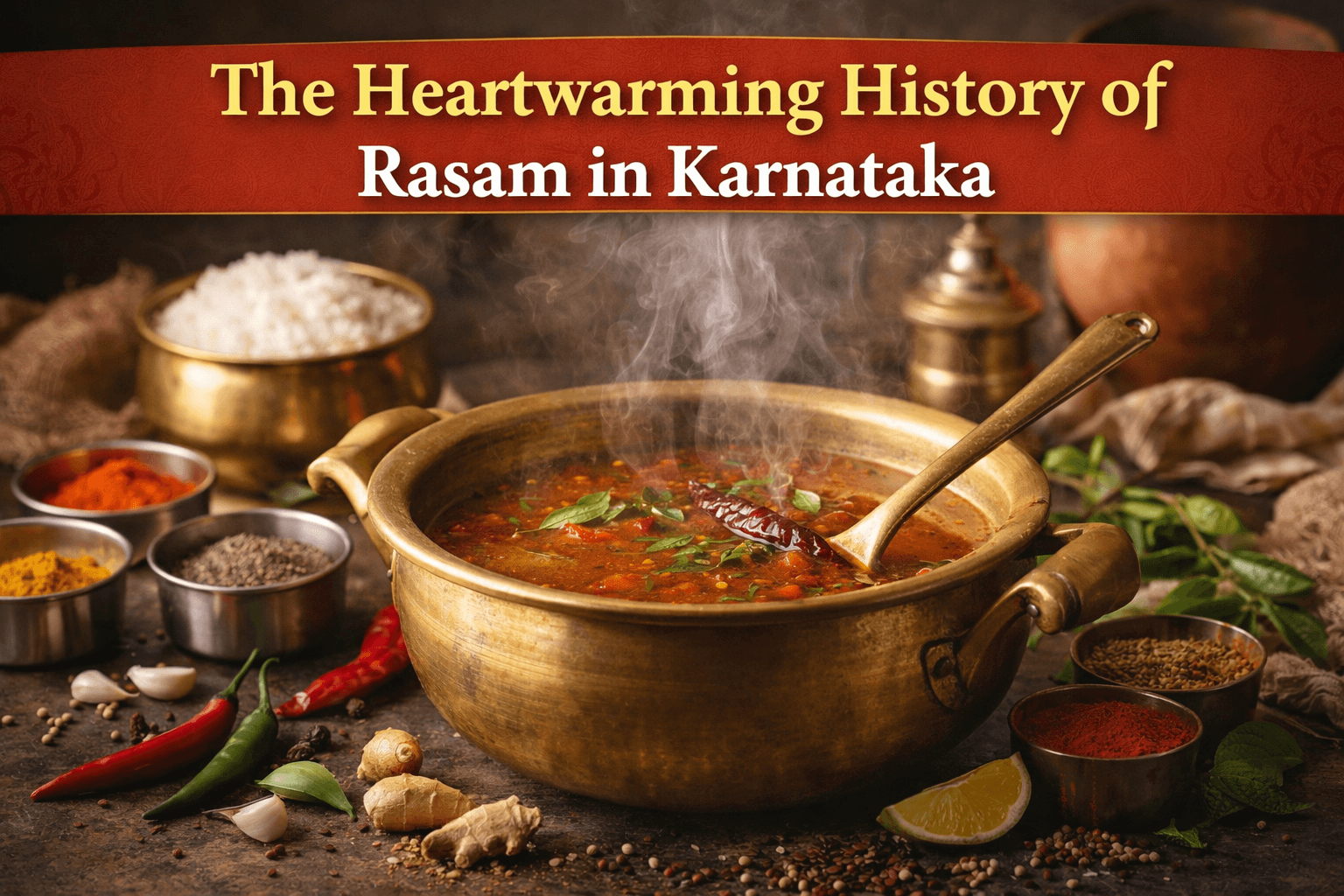
The Rich History of Sambar: A Taste of Tamil Nadu and Andhra Pradesh
Uncover the delicious origins of sambar and how this beloved dish connects the cultures of Tamil Nadu and Andhra Pradesh.

The Roots of Sambar: A Culinary Journey
Every time I savor a bowl of sambar, it feels like a warm embrace, a connection to my heritage. This vibrant, tangy lentil stew, enriched with a medley of vegetables and fragrant spices, carries with it stories from the heart of South India. The history of sambar is as rich and nuanced as its flavor, dating back centuries, intertwined with the cultural tapestry of Tamil Nadu and Andhra Pradesh.
The Legend of Sambar
Legend has it that sambar was born in the kitchens of the Maratha king, Chhatrapati Shivaji Maharaj. During his southern expeditions, he encountered a dish made by the locals, which was a simple pulp of cooked lentils mixed with vegetables. Captivated by its flavors, he challenged his royal chef to enhance it. The result? A remarkable fusion that combined spices, tamarind, and vegetables, creating what we now know as sambar.
Cultural Significance
Sambar quickly became a staple in South Indian households, cherished for its versatility and nutritious value. While every region boasts its own variation—from the fiery sambar of Andhra Pradesh to the milder Tamil Nadu version—the essence remains the same: a hearty, wholesome dish that embodies comfort.
My grandmother often spoke of how sambar brought families together. On Sundays, she would simmer a pot filled with yellow lentils, diced vegetables, and a generous measure of sambar powder, its aroma wafting through the house, inviting everyone to gather around the table. Each spoonful was not just a meal; it was a tradition, a moment to share stories and laughter.
The Ingredients of Tradition
At its core, sambar is a celebration of local produce. The choice of vegetables can vary widely based on what's in season—be it carrots, drumsticks, or even pumpkin. The use of turmeric powder not only imparts a golden hue but also brings its healing properties into the mix.
As for spices, the heart of any good sambar lies in quality ingredients. At Rasavita Kitchen, our sambar powder blends roasted lentils with a symphony of spices, ensuring that each dish is infused with authentic South Indian flavors. It's this attention to detail that elevates a simple stew into a culinary masterpiece.
Diversity in Preparation
What makes the history of sambar particularly fascinating is its regional adaptations. In Tamil Nadu, sambar is often served with idli or dosa, showcasing its role in breakfast. Meanwhile, Andhra Pradesh elevates it with a fiery twist, often pairing it with steaming hot rice. Each bite tells a story of cultural influence, regional pride, and culinary artistry.
The Evolution of Sambar
Over the years, sambar has evolved, but its core remains steadfast. Today, you might find gourmet versions in upscale restaurants, where chefs play with flavors and presentations, yet the soul of sambar—the comforting warmth and hearty essence—remains unchanged.
Bringing Sambar to Your Table
Recreating this beloved dish at home is simpler than one might think. Begin with a base of toor dal (pigeon peas), simmer it with your choice of vegetables, and season generously with rasam powder for added depth. Just remember, cooking sambar is an act of love—a little patience and care will result in a dish that warms not only the belly but the soul.
The next time you ladle sambar into your bowl, take a moment to appreciate the rich history behind it. Every spoonful carries with it the echoes of centuries gone by, connecting us to our roots and to each other. So, fill your plate, and let the flavors of Tamil Nadu and Andhra Pradesh dance on your palate, celebrating a culinary tradition that thrives on love and togetherness.
Enjoyed this story?
Get more food stories, traditions, and kitchen tales every week.